Navigating the Invisible: Understanding P.O.T.S., Dysautonomia, and the Power of Medical Alert
Navigating the Invisible: Understanding P.O.T.S., Dysautonomia, and the Power of Medical Alert
For many, the simple act of standing up to greet a friend or grab a glass of water is an unconscious physiological process. But for those living with Postural Orthostatic Tachycardia Syndrome (P.O.T.S.), every change in posture is a high-stakes event for the nervous system.
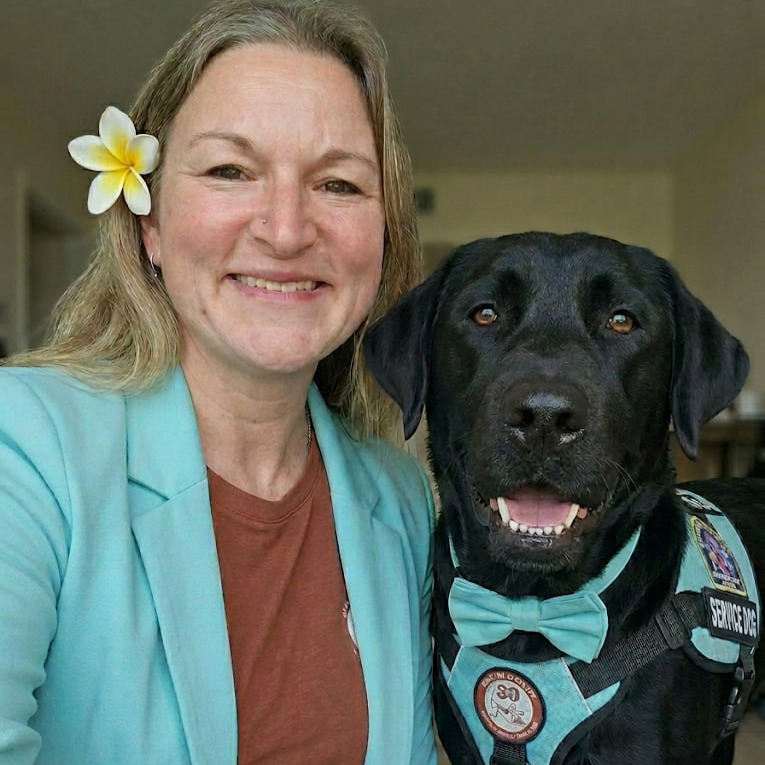
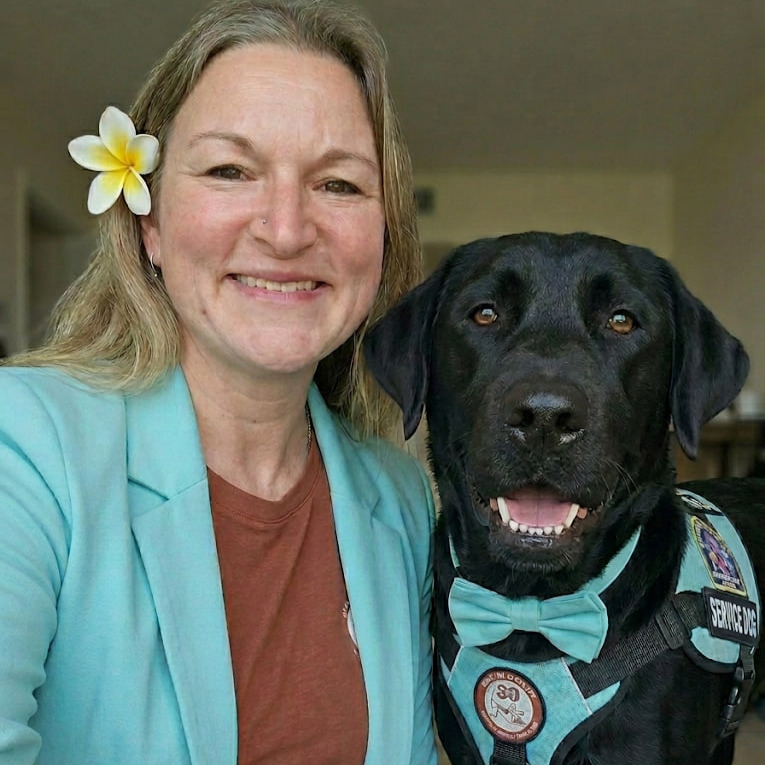
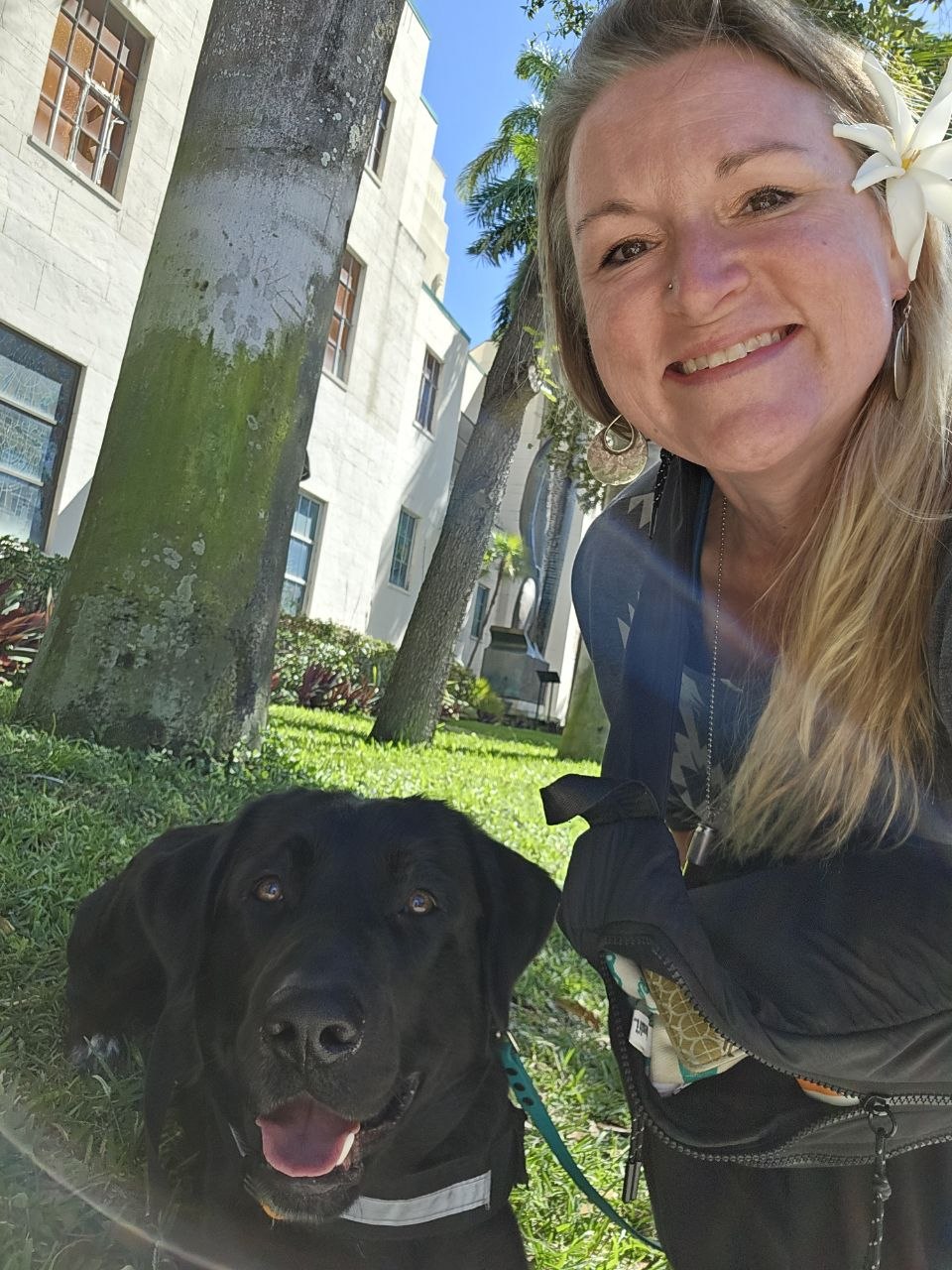
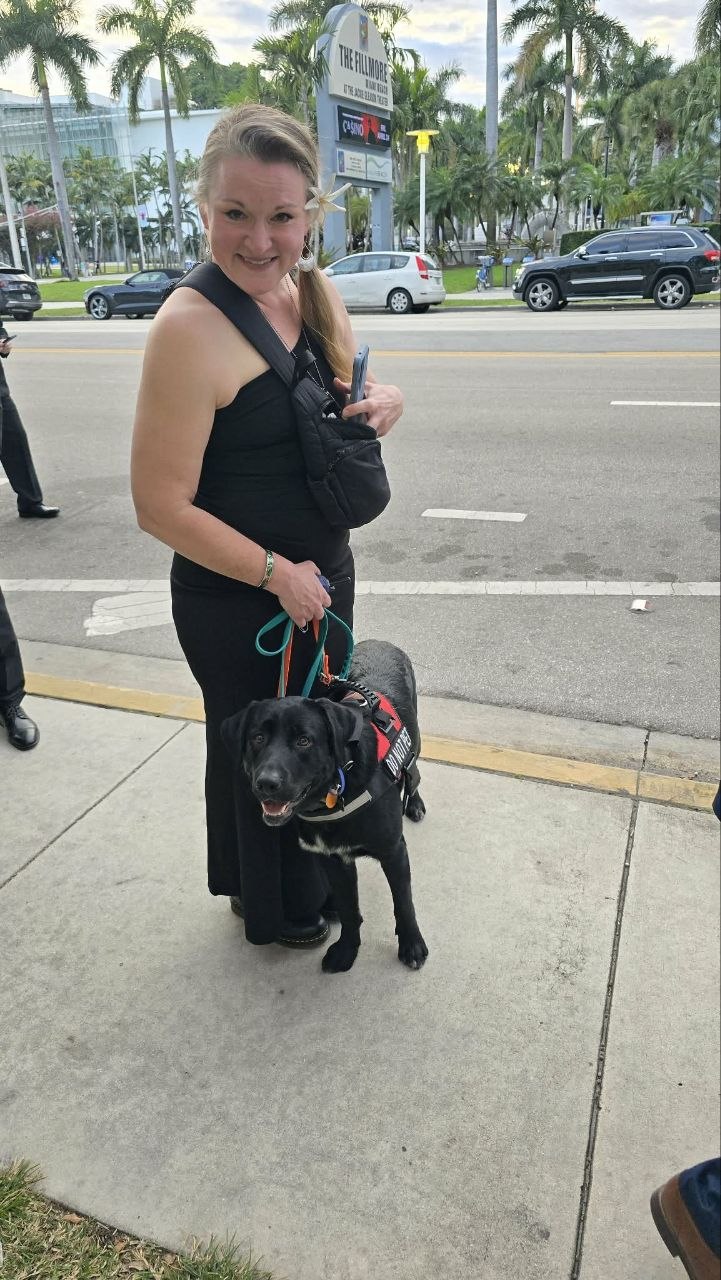
As I continue my journey co-training Mowgli, my Aussiedor a Darrington backyard rescue (Labrador/Australian Shepherd mix), through A Canine Experience, I’ve realized that many people see the service dog vest but don't quite understand the "invisible" disability it represents. To understand why Mowgli’s training is so vital, we first have to understand the complex world of Dysautonomia.
What is P.O.T.S.? The Science of a Misbehaving Nervous System
P.O.T.S. is a form of Dysautonomia, an umbrella term for conditions that involve a malfunction of the Autonomic Nervous System (ANS). According to Dysautonomia International, the ANS is the "autopilot" of the human body. It controls functions we don’t think about that normally happen automatically in the background of our physiology: heart rate, blood pressure, digestion, kidney function, and temperature control (just to name a few).
In a healthy body, when you stand up, your blood vessels quickly contract and your heart rate increases slightly to ensure blood continues to reach your brain against the pull of gravity. In a person with POTS, this "autopilot" fails. The blood pools in the lower extremities, the brain signals a crisis, and the heart begins to race—often 30 to 50 beats per minute higher than normal—just to keep the person conscious.
The Daily Reality: More Than Just a Fast Heartbeat
While the clinical definition focuses on heart rate, the daily reality is a constellation of symptoms that can be completely debilitating. POTS patients often deal with:
Syncope and Pre-syncope: Fainting or the overwhelming feeling that you are about to pass out.
Severe Exercise Intolerance: High heart rates even during minimal exertion or just standing. Sometimes it’s like my body is allergic to gravity.
Brain Fog: Difficulty concentrating or remembering simple tasks due to decreased blood flow to the brain. It’s way more then losing your train of thought.
Tremors and Adrenaline Surges: A body that constantly feels like it’s in "fight or flight" mode. Sometimes my whole body trembles. I also have received an “essential tremor” diagnosis, a common co-morbidity.
Research from institutions like the Johns Hopkins POTS Program suggests that the quality of life for a POTS patient is often comparable to those with congestive heart failure or end-stage renal disease. This is why medical advocacy and support systems are not just helpful—they are lifesaving.
How Mowgli Bridges the Gap: Medical Alert and Response
This is where Mowgli and the expertise of A Canine Experience come in. Training a dog to be a medical alert service dog for POTS involves two critical components: Alert and Response.
Scent Alert: Many POTS patients emit a specific chemical change (often detectable via sweat or breath/saliva) before a heart rate spike occurs. Through the guidance of Trina R. Eddy and the team at A Canine Experience, Mowgli is learning to identify these subtle physiological shifts before I even feel them.
Early Intervention: By alerting me before a flare, Mowgli gives me the "lead time" I need to sit down, elevate my legs, or take medication. This prevents the dangerous falls and syncope episodes that have historically led to injuries and surgeries.
Deep Pressure Therapy (DPT): During a flare, Mowgli is trained to use his body weight to help stimulate the parasympathetic nervous system, helping my heart rate normalize and encouraging blood flow back to my core.
The Path to Independence
Managing a condition that feels like a constant internal storm requires more than just medication; it requires a partnership. Training a teenage rescue dog like Mowgli to navigate these complex biological signals is sometimes an undertaking, especially while undergoing multiple surgeries and other procedures and treatments on the horizon.
The 30 years of experience provided by the team at A Canine Experience, we are proving that it is possible to reclaim independence. Mowgli isn't just a pet; he is a biological monitoring system that allows me to navigate a world that wasn't built for the "invisible" challenges of Dysautonomia.
Want to learn how a service dog can change your life?
If you or a loved one are navigating the complexities of POTS or other forms of Dysautonomia, you don't have to do it alone. The right dog, paired with the right training, can be the key to a safer, more mobile future.
Coming this June, we are launching an exclusive hybrid service dog course! This program is designed to help you navigate the training process with professional support, no matter where you are in your health or training journey. By joining our waitlist, you'll secure early access and special bonuses, including our Puppy Pathways™ mini-course to help you find the perfect canine partner.
Join our International Service Dog Hybrid Course Interest Waitlist to lock in your early access bonuses and take the first step toward your new partnership.