Can You Train Your Own Service Dog?
Can You Train Your Own Service Dog? What 30 Years of Experience Taught Us (and What Mowgli is Teaching Me)
They say that "owner-training" a service dog is a marathon, not a sprint. But when you are living with POTS (Postural Orthostatic Tachycardia Syndrome) and navigating a revolving door of medical procedures, it feels less like a marathon and more like a high-stakes obstacle course where the floor is constantly shifting.
If you’ve ever wondered, “Can you train your own service dog?” the answer is a resounding yes—but with a massive asterisk. You cannot do it alone, especially when your own body is fighting you every step of the way. My journey with Mowgli has been a testament to that truth.
The Arrival of Mowgli
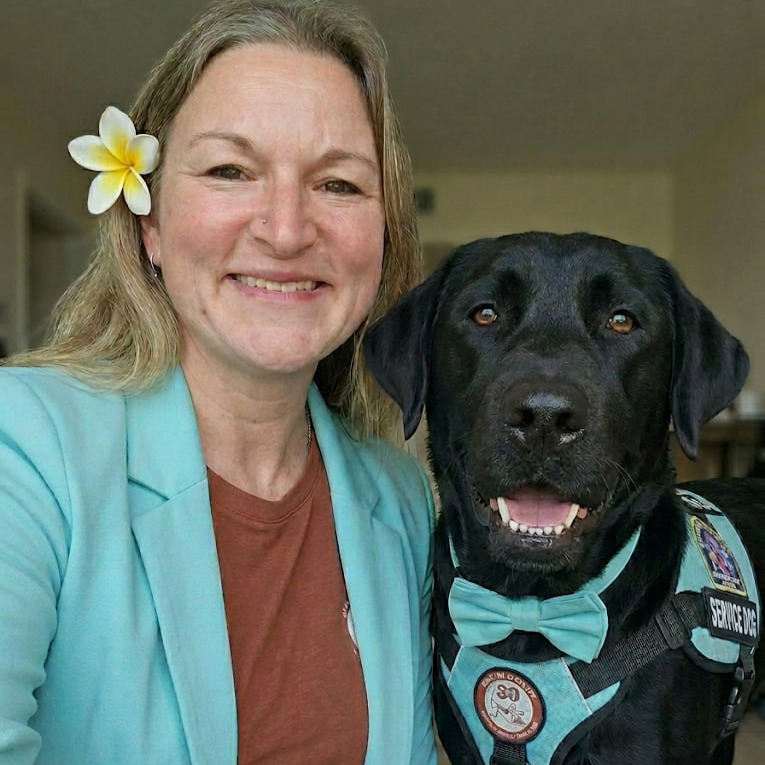
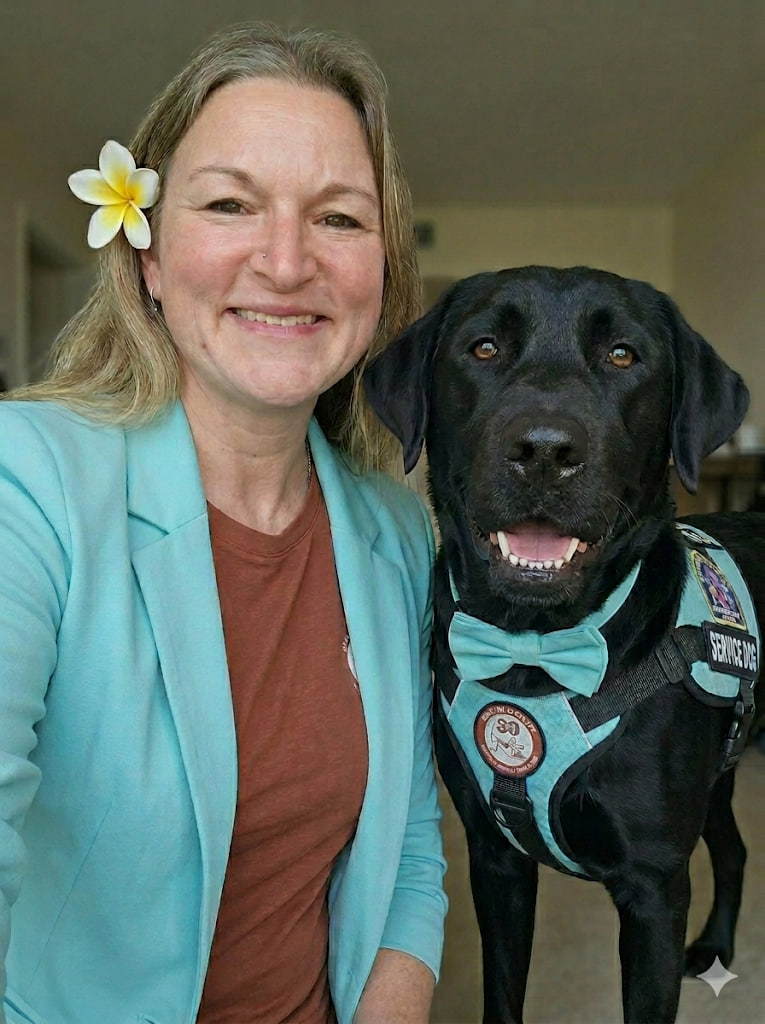
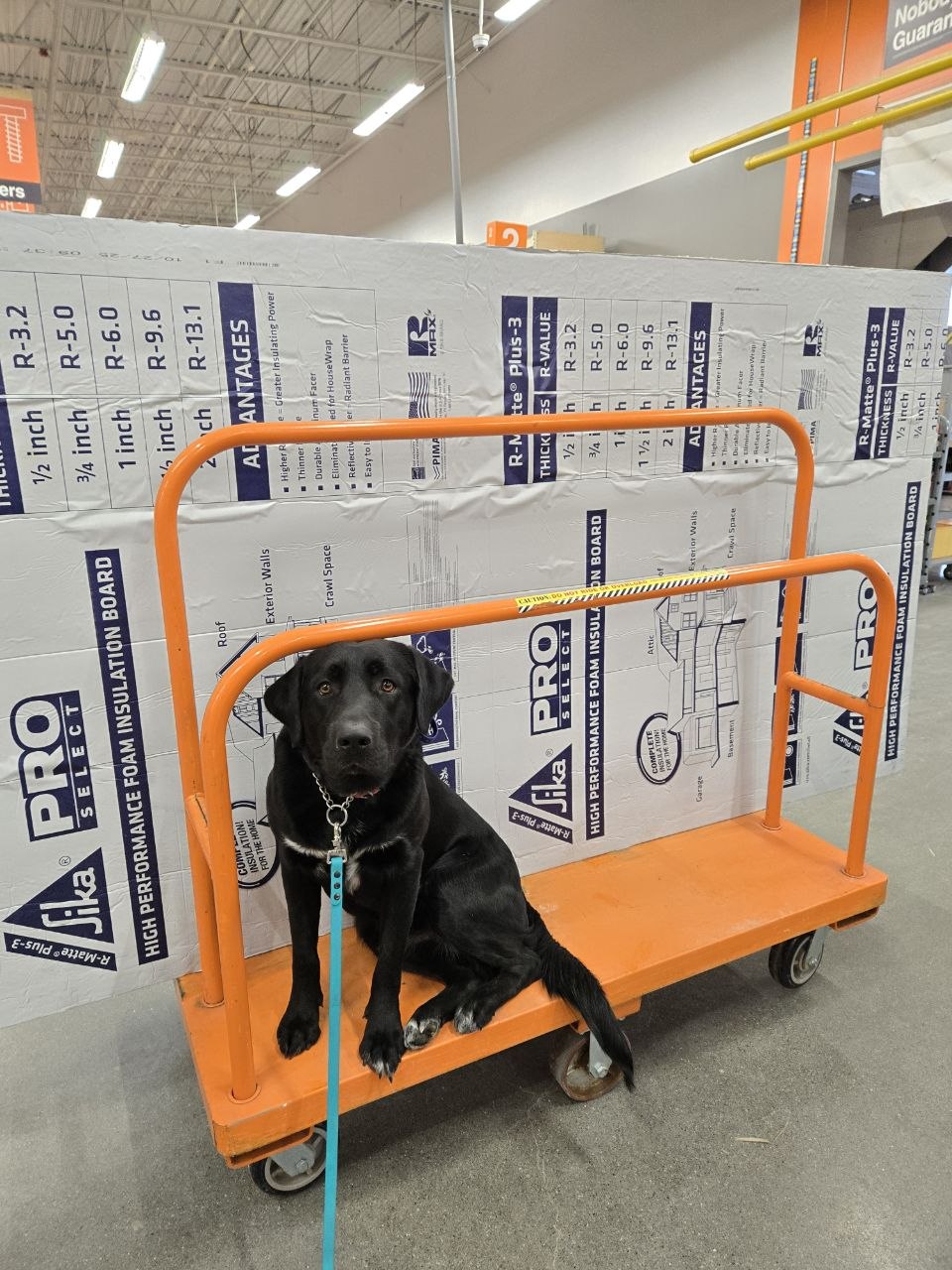
Mowgli, my Labrador/Australian Shepherd mix, came into my life like a whirlwind. Born at the end of November 2024, he is currently in that beautiful, chaotic, and often exasperating "teenage" phase. As a rescue, he brought with him a blank slate and a high-drive engine, characteristic of his Aussie roots, tempered by the loyal, eager-to-please heart of a Lab.
From the start, the goal was clear: Mowgli was to be my medical alert dog. He needed to learn to detect the subtle physiological shifts that precede a POTS flare—the spikes in heart rate and the sudden drops in blood pressure that often leave me sidelined or even with pre-syncope. We started with high hopes, but shortly after we began our formal journey, my health took a turn that would test every ounce of my resolve and my ability to advocate for myself and my dog.
When the Trainer Needs Training
In the last eight weeks, I have undergone two surgeries. My calendar isn’t filled with social outings or casual walks in the park; it’s a rigid grid of doctor appointments, specialist consultations, and strict recovery protocols. To make matters more daunting, I am currently staring down the barrel of at least two more necessary surgeries in the coming months.
Being symptomatic while trying to maintain the "handler" presence required for dog training is incredibly difficult. There are days when my heart is racing above 140 bpm just from the simple act of standing up to grab a treat bag. There are days when the brain fog is so thick I forget which command we are working on mid-sentence.
This is where the romanticized idea of owner-training often breaks down. You see the polished videos on social media of service dogs tucked neatly under cafe tables, but you don't see the owner crying on the kitchen floor because they’re too dizzy to work on a simple "settle" command. You don't see the frustration of a handler who wants to give their dog the world but is physically tethered to a recovery bed.
The Power of Professional Support: A Canine Experience
I realized quickly that to train your own service dog successfully, you have to be willing to advocate for yourself as much as you do for your dog. For me, that meant leaning heavily on the team at A Canine Experience.
Trina R. Eddy and the team haven't just been dog trainers; they have been my lifeline. When my health plummeted and my mobility was restricted, Mowgli’s training didn't have to stop. Trina understands the nuances of working with a teenage rescue dog who has a lot of "big feelings" and boundless Aussie energy. She helped me navigate crucial "training refreshes" during my surgical recoveries, ensuring Mowgli didn't lose his foundation or become bored and destructive while I was bedbound or handless (double carpal tunnel surgery).
Trina and A Canine Experience’s 30 years of experience taught me that a service dog in training (SDiT) isn't a robot—and neither is the handler. Mowgli is a partner, not a tool. When I couldn't be the one doing the heavy lifting, the A Canine Experience team stepped in to bridge the gap. They treated Mowgli with the precision he needs to be a successful medical alert dog and treated me with the empathy I desperately required as a patient and dog school trainee.

Self-Advocacy and the SDiT Journey
Advocating for Mowgli as an SDiT means standing my ground in public spaces and ensuring he is respected as a working professional in training. However, I've learned that advocating for myself means admitting when I need help. It’s hard to tell a doctor that your dog needs to be present during a consultation, but it’s even harder to tell a trainer, "I’m having a flare, and I simply can't do this today."
But here is the truth: Training your own service dog is an act of radical self-care. It is a commitment to a future where you have more independence and safety. Mowgli is learning to catch my flares before they catch me, but he’s also learning that even when "Mum" is hurting, we have a community behind us. The bond we are building through these surgeries is unique; he is learning my "sick" scent and my "recovery" energy just as much as he's learning "heel" and "stay."
Is Owner-Training Right for You?
If you are considering the path to train your own service dog, know that it will be one of the hardest AND most rewarding things you ever do. You will face "teenage" regressions, health setbacks, and moments of profound doubt. You will wonder if you are enough for your dog. I promise you are more than enough and you have everything you need within you.
Especially if you have the right guidance—experts like those at A Canine Experience who understand that the handler's health is a variable that must be managed, not an obstacle to be ignored—it is possible. Mowgli is a November 2024 baby, still young and very much still learning. Every time he looks at me with those bright, intelligent hazel honey brown eyes and rests his head on my lap during a heart rate spike, I am reminded that the surgeries and the POTS symptoms are temporary hurdles in a lifelong partnership.
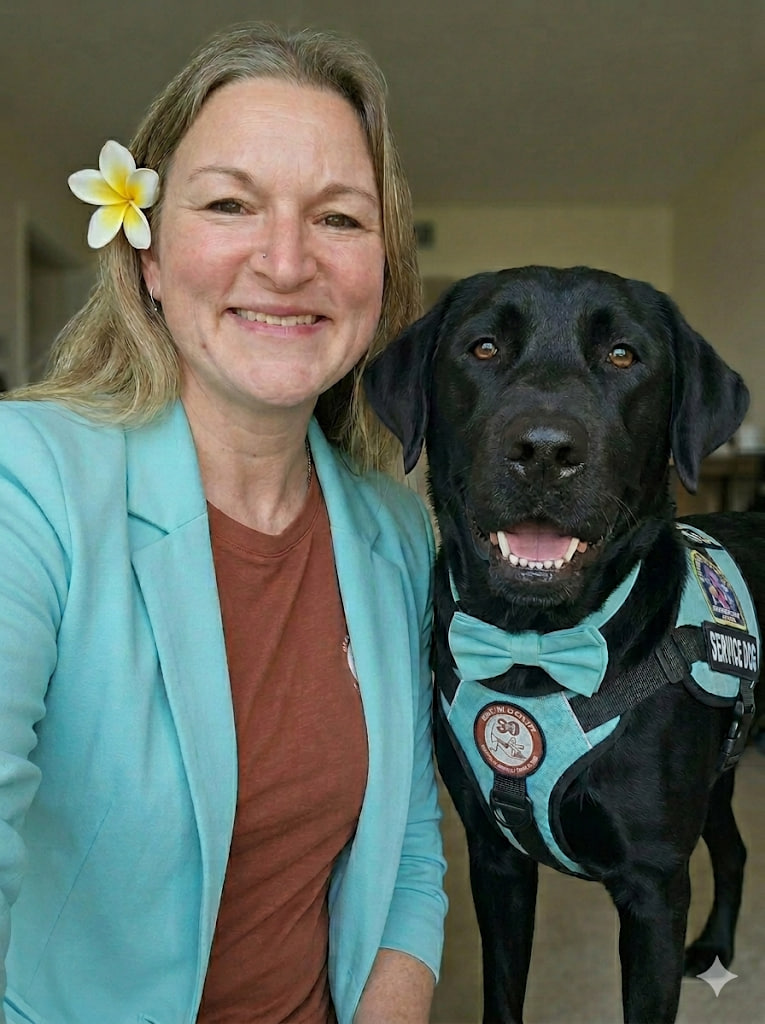
Training a service dog is about more than just obedience; it's about the connection and co-regulation. It’s about Mowgli knowing when I need him, and me knowing when to ask for help from the pros.
Ready to start your own journey?
The path to independence starts with the right foundation and the right team. Whether you are managing chronic illness or looking to enhance your life with a canine partner, don't try to navigate the training process in the dark.
Coming this June, we are launching an exclusive hybrid service dog course—and you won't want to miss out on this one! By joining the waitlist now, you’ll secure early access and special bonuses, including our Puppy Pathways™ mini-course, designed specifically to help you start your journey by choosing the right dog from the very beginning.
Join our International Service Dog Hybrid Course Interest Waitlist here to lock in your early access bonuses and take the first step toward training the partner you deserve.